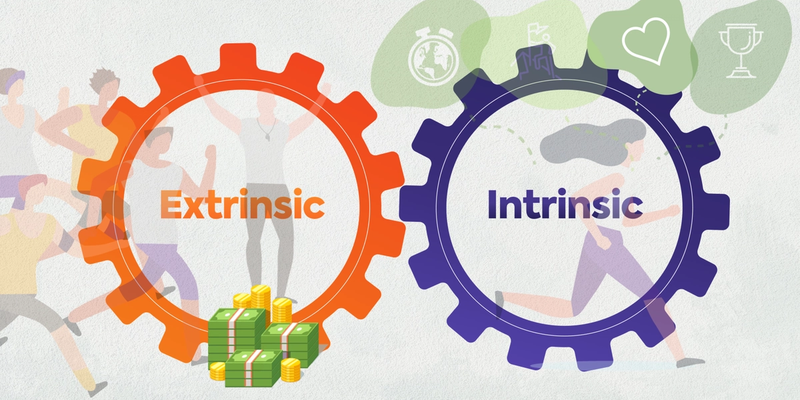
Extrinsic and Intrinsic Rewards
Motivation is a broad term that encompasses many different types of motivators (also referred to as “rewards”). These motivators can be loosely grouped into two categories, Extrinsic and Intrinsic.


Seth Preus is an advisor to Mivation, and the creator of both Racing Snail and Leaderboard Legends. As a thought leader, he uses his 25 years of experience in sales, software development and business ownership to change the equation from “How can I get my team to perform?” to “How can I get my team to WANT to perform.”
Motivation is a broad term that encompasses many different types of motivators (also referred to as “rewards”). These motivators can be loosely grouped into two categories, Extrinsic and Intrinsic.
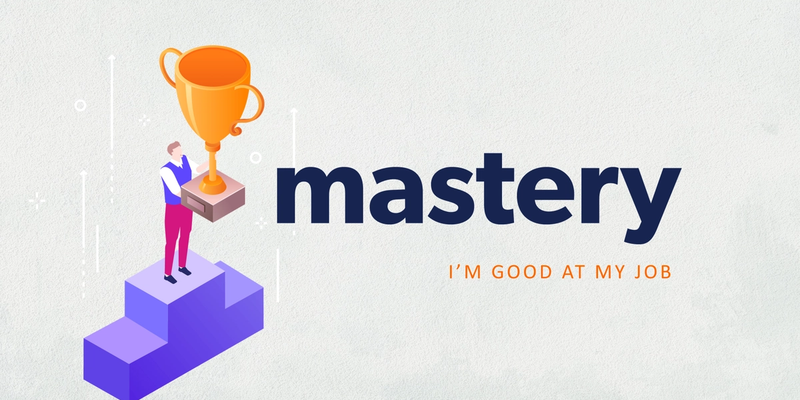
The intrinsic motivator of Mastery relates to our desire to be awesome at something. It feels good to know that you are a “rock star” at a skill. But it’s not just about being good, it’s about continuously getting better.
Let me share a story illustrating how the same action can be driven by an entirely extrinsic or intrinsic reward. First, let’s all be adults here and recognize that every one of us probably did something “unwise” in our childhood. If you don’t believe me, check out the hilarious Twitter hashtag #wheniwas16 to find a plethora of examples of adolescent foolishness.
It can be tempting to think that the key to better sales team performance is to invest in coaching your top performers (because they are awesome) and your lowest performers (because they can only get better).
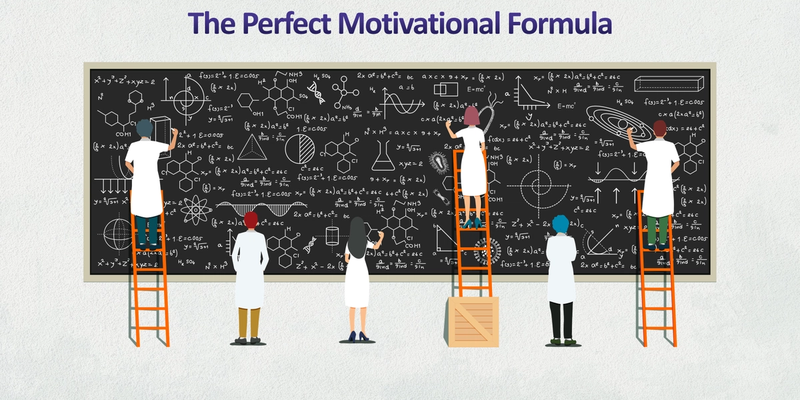
We explore the Motivational Formula again.

I recently wrote a blog about Autonomy that describes the importance of giving your team latitude in how they complete their jobs. By granting that latitude you make it possible for them to find faster, more efficient, and more effective ways of accomplishing their work.
Motivation is a broad term that encompasses many different types of motivators (also referred to as “rewards”). These motivators can be loosely grouped into two categories, Extrinsic and Intrinsic.
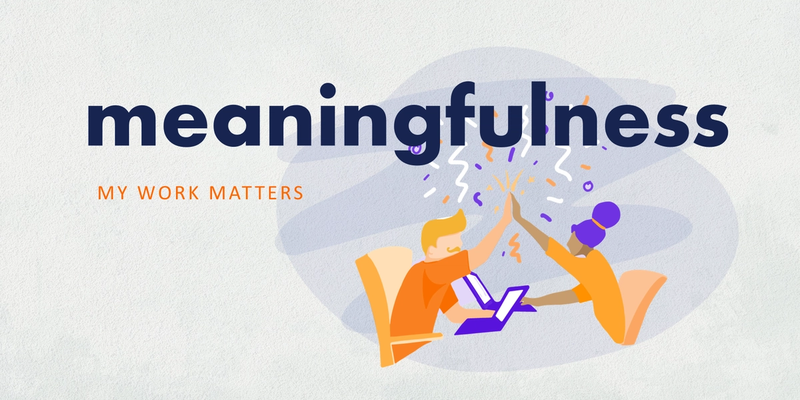
How do we motivate our teams to do the best work they can by using an intrinsic motivator? I’m going to start with what seems the hardest, but really is just a matter of communication -- Meaningfulness (wow, what a fluffy word!). A person who believes that their work is meaningful is much more likely to have a passion for their job than a person who believes their job is a meaningless drudgery.
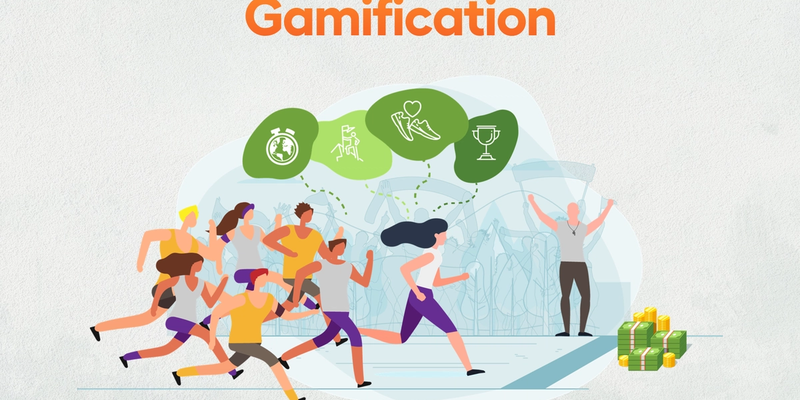
The key to gamification is in providing real-time visibility to current performance data to maximize these natural intrinsic motivators. In short, gamification isn’t about making work more fun, it’s about making it more motivating.
Review Mivation's Magic Formula. Though there’s nothing magical or mysterious about it all; it’s based upon the psychology of individual and team motivation. The formula consists of 4 “ingredients”: This will help you increase your insurance business productivity.
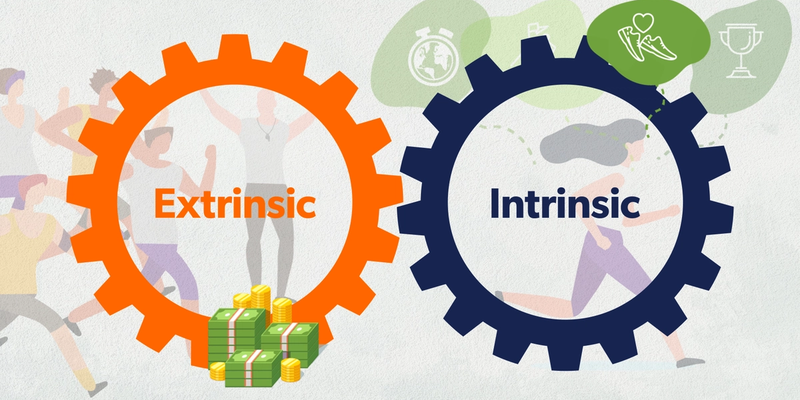
Remember, motivation is just a fancy word for wanting, so whether it’s an intrinsic or extrinsic reward, you can’t make somebody want something. However, there are ways that you can move the intrinsic motivations (feed the fire) that already exist within a person.
Autonomy. In the simplest terms autonomy is the ability to do what you want, the way you want to do it. Various dictionaries define it using the term “self-governing”. Autonomy is a powerful intrinsic motivator because human beings want to make decisions for themselves.
We are always looking for ways to motivate our team. Learn about he effective strategies to boost productivity while reducing costs.
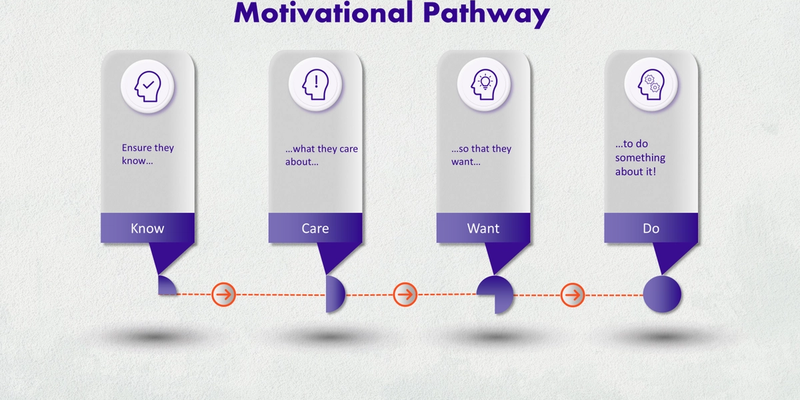
Discover how the Motivational Pathway uses data to drive action.
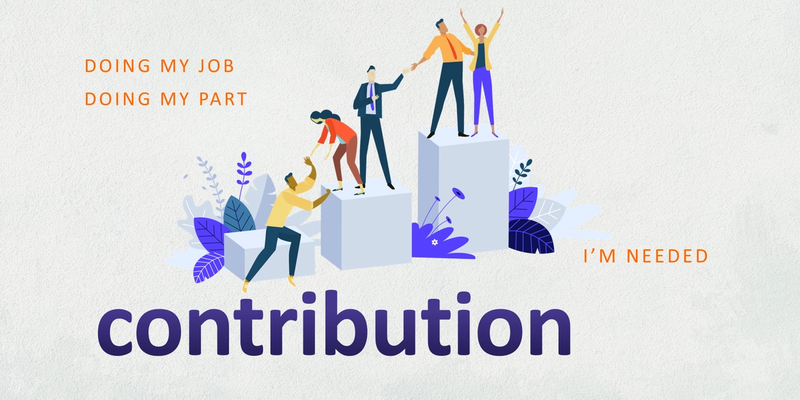
Next up on our round-the-mind tour of intrinsic motivators – Contribution. We are social creatures who thrive in an environment in which we can interact with others in a group.
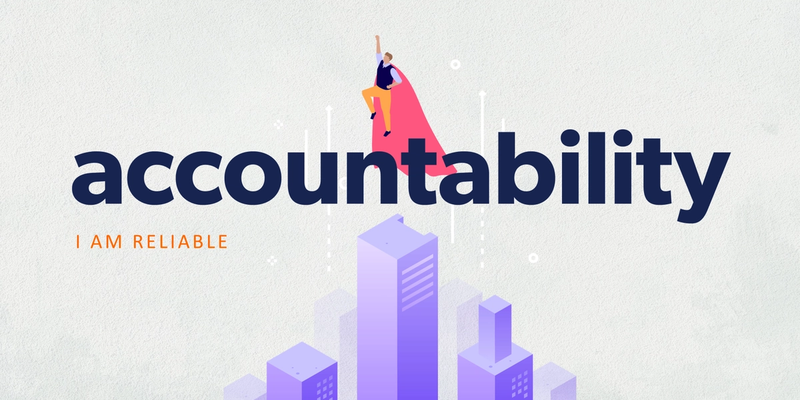
Accountability is a very large part of a person’s self-image. Nobody wants to say, “You can’t count on me.” Accountability is also strongly associated with trust. The more accountable a person, the more they can be trusted. Each time that a person lives up to an obligation, they prove that they can be trusted.

I’m a work-from-home veteran; I’ve been working from home for about a decade. Are people more or less productive when they work remotely? Like most things in life, it depends. It depends upon a lot of things.

Many leaders are challenged with improving business performance by increasing their collective team members’ productivity. Where is the best place to focus? Intuition typically points to either the bottom or top performers. It makes sense, your bottom performers have the most room for improvement and your “Stars” are usually where we focus when we need to achieve more.
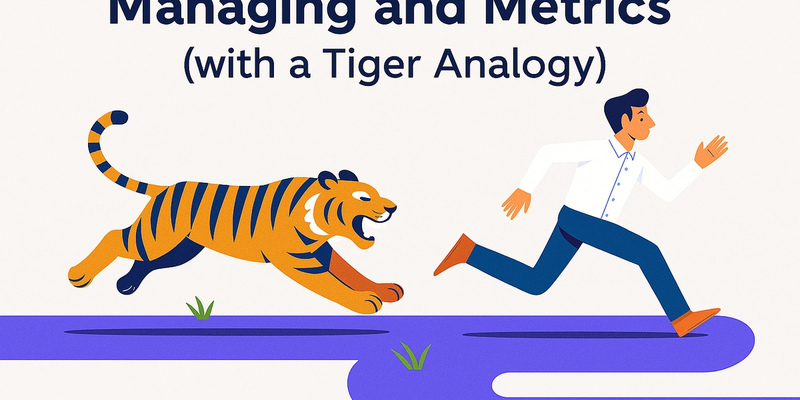
If you are a manager and you are freaking out right now because you can’t see what your working-from-home team is doing, it may have nothing to with remote workers and everything to do with how you manage performance data. The current anxiety is the overdue result of two critical failures relating to performance data management:
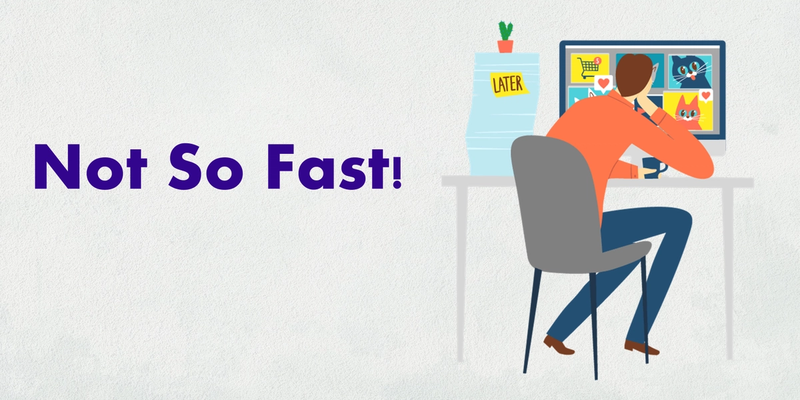
It was inevitable. Enterprising managers would notice some of the benefits of a work from home (WFH) team and declare it the “New Paradigm” going forward.

Each year, insurance agency managers spend countless hours designing compensation plans that are intended to motivate their teams to do more. The problem is, the vast majority of these plans are focused on one method of motivation: money.

Mastery fuels our innate drive to improve and excel at what matters. True success isn’t about perfection or possessions—it’s about the ongoing pursuit of growth, challenge, and purpose.